
Why Tidal Mists Define Coastal Atmosphere
Tidal mists give shorelines a character that shifts with each rise and fall of the sea. Formed when cool air meets warm ocean currents, the mist rolls across beaches and inlets, softening outlines and altering perception. These veils of moisture blur boundaries between land and water, creating atmospheres where shorelines feel both present and concealed.
How Mist Shapes the Experience of Shorelines
Mist changes how shorelines are seen and felt. Rocks and driftwood fade into silhouettes, while waves break softly behind a haze. Details near the observer appear sharp, but distant features vanish into the fog. This shifting visibility heightens awareness of the immediate environment, focusing attention on small textures, sounds, and movements.
The Rhythm of Tides in Misty Environments
Tides dictate how mist interacts with the shore. Rising water pulls fog inland, carrying it across coves and marshes. Receding tides reveal sandbars and tidal pools that appear briefly before the mist closes in again. This rhythm transforms hidden features into fleeting landscapes, accessible only for moments before they disappear once more.
A Realistic Scene of Seaside Whispers
A walker steps onto a quiet beach at dawn. The tide is low, and mist drifts slowly across the sand, wrapping stones in a soft blur. Pools of seawater reflect muted light, while the faint outline of distant cliffs fades in and out with the shifting veil. The air smells of salt and kelp, heavy with moisture. Each step leaves a mark that quickly softens under the damp haze. In this moment, the shoreline feels both revealed and hidden, alive with whispers carried on the mist.
Why Hidden Shorelines Evoke Discovery
Hidden shorelines appear when mists retreat or tides shift, revealing spaces that feel secret. These areas, shaped by erosion and water, carry patterns of shells, seaweed, and weathered stone. The sense of discovery deepens the emotional connection to the coast. Even familiar beaches take on new significance when mist uncovers features not always visible.
How Weather Amplifies Coastal Mystery
Weather intensifies the atmosphere of tidal mists. On calm days, mist drifts slowly, clinging to the surface and creating stillness. Wind scatters it into shifting curtains, revealing and concealing the shore in cycles. Rain adds weight to the air, merging sky and water into a single gray field. Each change alters the mood, ensuring no two misty shorelines feel the same.
The Role of Sound in Misty Shores
Sound behaves differently in mist. Waves break with muted force, and gulls sound closer than they appear. Footsteps echo softly, carried only a short distance before fading into the damp air. These changes create a soundscape of intimacy, where every noise feels immediate. The mist acts as both filter and amplifier, shaping how the shoreline is experienced.
Why Mists Anchor Emotional Presence
Mist carries a psychological weight that shapes emotion. The softened horizon creates a sense of enclosure, while shifting veils suggest depth beyond sight. Standing in tidal mist, observers feel suspended between clarity and obscurity, grounded in the moment yet drawn to what lies unseen. This tension between concealment and revelation forms the core of coastal presence.
Shorelines as Living Boundaries
Hidden shorelines reveal the coast as a living boundary. They shift constantly with tide, weather, and mist, never appearing the same way twice. Rocks appear and vanish, sands shift, and pools fill and empty. Observers learn that the shoreline is not static but an ever-changing edge where land and sea negotiate space.
The Lasting Power of Seaside Whispers
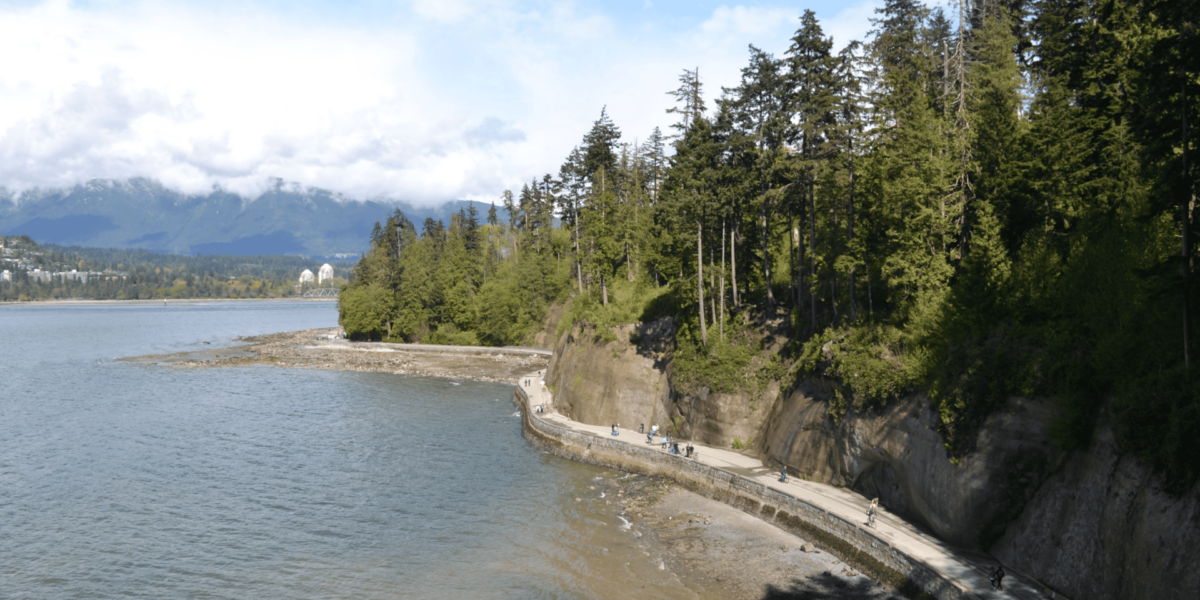
Tidal mists and hidden shorelines define more than scenery—they create experiences that anchor memory and emotion. They shape perception through light, sound, and rhythm, transforming ordinary coasts into living canvases of motion and mystery. Vancouver’s shores, wrapped in mist and tide, whisper stories of change, reminding us that the sea never reveals all at once.