
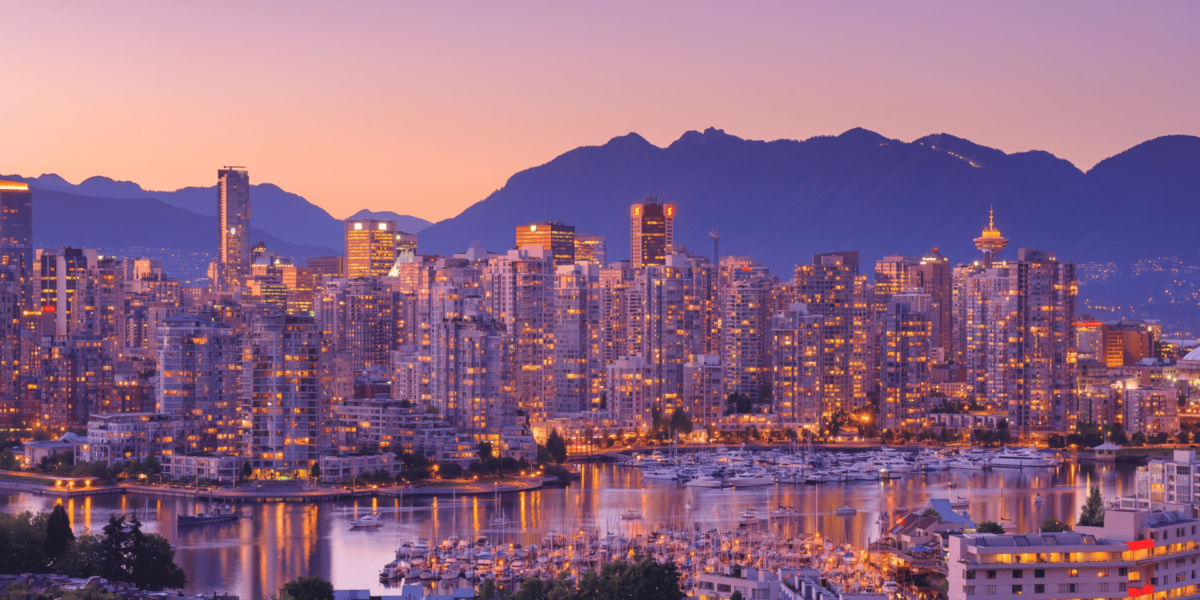
Why Skyscrapers Transform at Dusk
Skyscrapers dominate the city skyline, but at dusk, they shift from functional structures to visual landmarks. The setting sun softens their rigid outlines while casting light across glass and concrete. This interplay of shadow and color turns each building into part of a larger composition where architecture and atmosphere blend.
How Concrete Reflects the Painted Sky
Concrete absorbs and reflects light differently from glass. At dusk, surfaces take on shades of orange, pink, and deep blue, echoing the colors of the sky above. These changing tones alter the character of each building, giving weight and presence to their forms. The painted sky becomes a backdrop that redefines how the city appears.
Glass Facades Extend the Horizon
Glass skyscrapers magnify the effect of dusk by mirroring the painted sky. Their reflective surfaces carry clouds, colors, and fading light across vertical planes. This creates the illusion that the horizon stretches upward into the skyline. The result is a layered perspective where city and sky appear inseparable.
A Realistic Scene of Skyscrapers at Dusk
A resident pauses on a downtown street as evening approaches. The last rays of sunlight reflect across glass towers, while concrete buildings glow faintly in the shifting light. Above, the sky turns from gold to deep purple, casting a painted gradient behind the skyline. Streetlights flicker on, creating points of contrast as the city prepares for night. The skyscrapers stand tall, their forms both softened and magnified by the sky’s transformation.
Why Contrast Defines the Skyline at Dusk
The meeting of natural light and artificial glow creates contrast that defines the skyline. Shadows lengthen at the base of towers while upper floors catch the final light of day. As darkness deepens, windows illuminate in scattered patterns, breaking the surface of concrete and glass. This contrast emphasizes scale, reminding viewers of the balance between day’s end and night’s beginning.
Movement Brings Energy to Dusk Scenes
While buildings remain still, the city around them continues to move. Traffic flows along streets, and pedestrians cross beneath towering silhouettes. Boats pass through the harbor, their lights reflecting against the painted horizon. This motion adds rhythm to the scene, reminding viewers that skyscrapers are not isolated monuments but part of a living urban system.
How Weather Shapes Skyscrapers at Twilight
Weather alters how skyscrapers appear against a painted sky. Clear evenings sharpen outlines, while clouds scatter color across facades. Rain amplifies reflections on glass, turning towers into shifting mirrors. Fog softens edges, blending buildings into the horizon. Each condition creates a distinct interpretation of the skyline, ensuring that dusk never looks the same twice.
Skyscrapers as Symbols of Urban Identity
At dusk, skyscrapers symbolize the connection between human ambition and natural beauty. Their scale reflects progress, while their interaction with the painted sky grounds them within the landscape. This symbolism reinforces urban identity, showing how cities define themselves not just through structures but through their relationship with light and horizon.
Emotional Presence in Dusk Cityscapes
Standing before skyscrapers at dusk evokes a sense of presence. The combination of towering forms and shifting sky creates an environment that feels both expansive and intimate. The glow of windows, the fading light, and the painted sky together anchor emotional responses, making the skyline more than a visual backdrop.
The Lasting Power of Concrete Giants at Dusk
Skyscrapers against a painted sky reveal the essence of urban landscapes at twilight. Concrete absorbs the day’s final colors, glass extends the horizon, and artificial lights carry the city into night. Together, they create a moment where architecture and sky merge into one canvas. These concrete giants stand not just as structures but as participants in the daily dialogue between city and atmosphere.