
Why Vancouver’s Forests Define the City’s Character
Vancouver’s identity is shaped not only by its skyline and waterfront but also by its forests. The city is surrounded and interlaced with green spaces that create balance between urban development and natural preservation. These forests serve as the city’s lungs, providing air quality, shelter, and a sense of continuity with the land.
How Forest Whispers Shape Daily Experience
Forests influence the daily rhythm of Vancouver. The rustle of branches, the call of birds, and the filtered light through the canopy become part of the city’s atmosphere. These sounds and sights ground residents in a natural cycle, reminding them that the city exists within a living landscape, not apart from it.
The Green Heart as a Source of Renewal
Forests act as Vancouver’s green heart by offering spaces for renewal. The density of trees, moss, and ferns creates an environment where calm emerges naturally. The air feels cooler and fresher, carrying the scent of cedar and pine. This renewal reinforces the idea that forests are more than scenery—they are active participants in the city’s well-being.
A Realistic Scene of Forest Whispers in Action
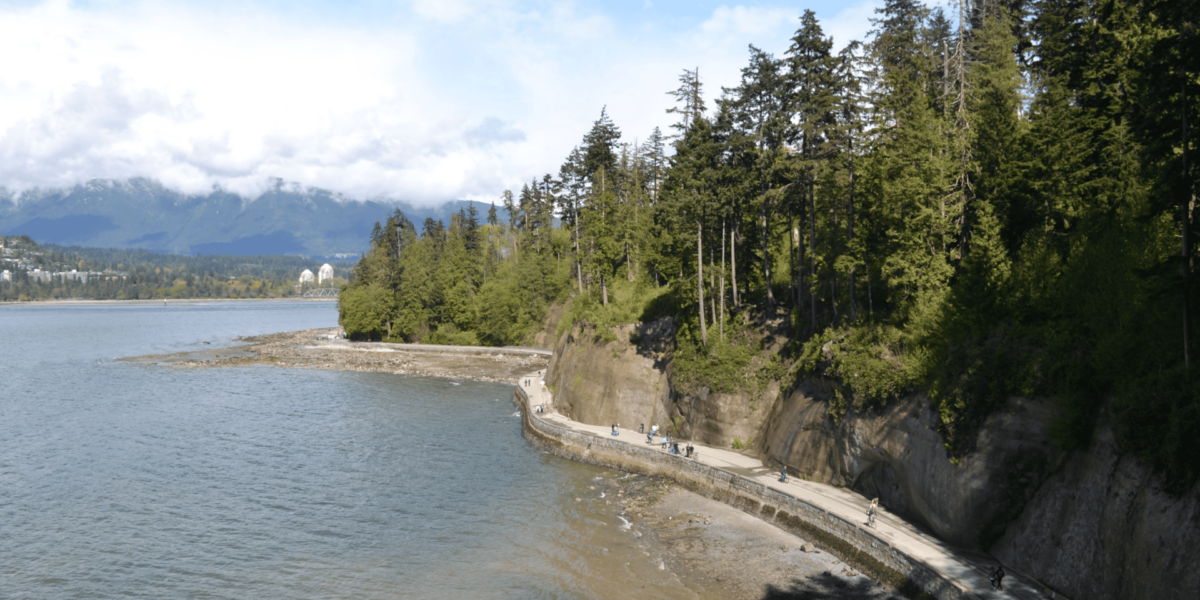
A morning hiker steps onto a trail in Stanley Park. The city’s hum fades as the forest closes in. Branches sway lightly, and a steady rhythm of drops falls from the canopy after a night’s rain. Shafts of sunlight pierce the mist, revealing layers of green in every direction. The forest feels alive, speaking through sound and movement. In this moment, the city’s green heart reveals itself fully.
How Biodiversity Strengthens the Forest’s Role
The diversity of plants and animals within Vancouver’s forests gives them resilience. Each species plays a role in maintaining balance. Birds scatter seeds, insects pollinate plants, and trees regulate temperature. This biodiversity ensures that forests remain strong and adaptable, anchoring the city in an environment of continuity and growth.
The Relationship Between Forests and Urban Design
Urban design in Vancouver acknowledges the importance of its forests. Green corridors link neighborhoods, and development is planned with the preservation of wooded areas in mind. This integration ensures that forests are not isolated but woven into the city’s fabric. The result is an urban environment where natural and built elements coexist.
Soundscapes as Forest Whispers of Presence
The forest’s soundscape defines much of its presence. The whisper of leaves in the wind, the echo of water trickling over rocks, and the distant call of wildlife create a layered environment. These sounds act as constant reminders of life surrounding the city. The brain interprets them as grounding cues, reinforcing the sense of presence within the green heart.
How Light and Shadow Reveal the Forest’s Depth
Light plays across the canopy in patterns that shift throughout the day. Shadows stretch across trails, while beams of sunlight highlight branches and moss. This interplay creates depth, making the forest feel larger and more immersive. The shifting balance of light and shadow gives forests their sense of mystery and allure.
Forests as Anchors of Emotional Connection
Forests anchor emotional experiences by connecting residents to something older and larger than the city itself. Standing within their depth creates feelings of perspective and calm. These emotional anchors remind people of continuity, grounding them in both time and place. The whispers of the forest become symbols of belonging.
The Lasting Power of Vancouver’s Green Heart
Vancouver’s forests are more than recreational spaces—they define the city’s balance with nature. The whispers of branches, the layers of biodiversity, and the interplay of light and sound all reveal the city’s green heart. By sustaining these forests, Vancouver sustains its own identity, proving that a modern city can remain rooted in its natural environment.