
Why City Lights Transform Waterfront Landscapes
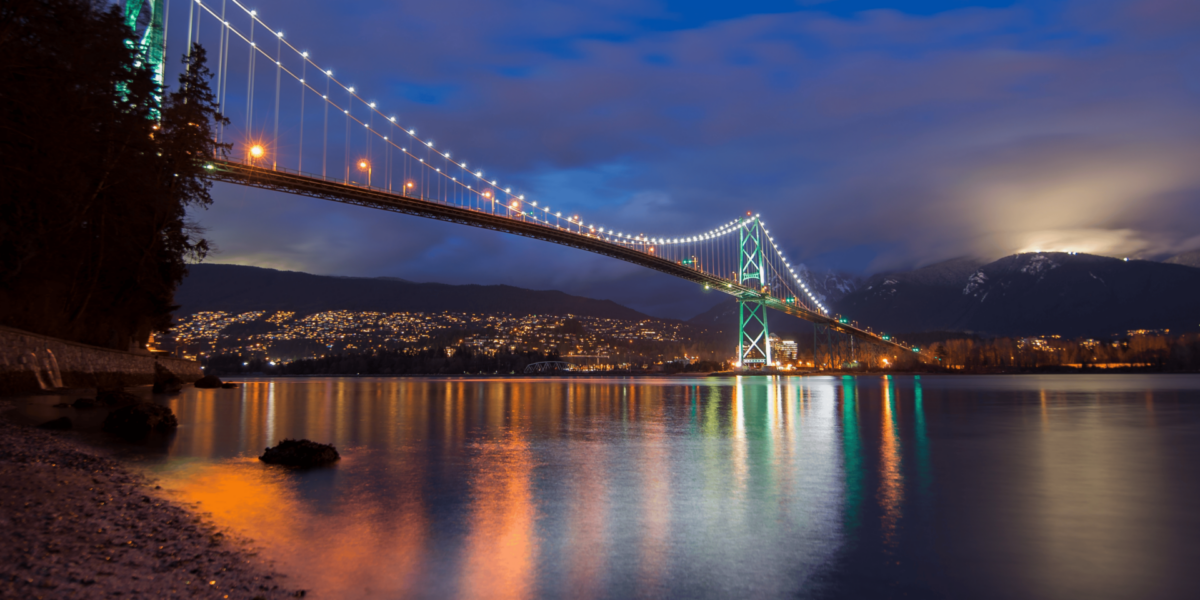
City lights alter the perception of a waterfront by turning the natural surface of the water into a dynamic mirror. The reflections stretch, ripple, and shift with every movement of the current. This interaction between artificial light and natural surface creates a unique atmosphere that belongs only to cities built beside water.
How Reflections Create a Sense of Motion
Waterfront reflections never stay still. Each light bends and elongates with the rhythm of the tide or the sway of passing boats. This constant movement gives the impression that the city itself is alive. The brain interprets this fluid motion as both dynamic and calming, reinforcing the idea of a city that changes moment by moment.
The Role of Contrast in Nighttime Scenes
The brilliance of city lights stands out more sharply against the darkness of night. Skyscraper outlines, bridges, and streetlamps shine brighter when mirrored in the water below. This contrast heightens visual depth, turning the waterfront into a layered composition of light and shadow. It is this balance that gives waterfront skylines their lasting visual impact.
A Realistic Scene of City Lights on the Waterfront
A resident walks along the seawall after dusk. Across the inlet, the skyline glows with towers outlined in light. Each beam extends across the water, rippling as waves disturb the surface. The reflections shimmer like threads of gold and silver woven into the tide. The experience feels immediate and grounding, reminding the observer of the city’s pulse carried through its lights.
Why Waterfront Reflections Anchor Emotional Presence
Waterfront reflections affect more than vision; they shape mood and memory. The shimmer of light across water carries associations of movement, energy, and calm. Standing near the waterfront, the observer feels immersed in an environment where the city’s character reveals itself through light. This sense of presence strengthens emotional ties to the landscape.
Architecture and Light Define the Skyline’s Character
The shapes of towers and bridges contribute directly to how reflections appear. Tall buildings create vertical ribbons of color, while lower structures scatter smaller fragments of light. Bridges stretch their patterns horizontally across the water. Together, these architectural elements define how the city is reflected, giving each waterfront its distinct identity.
How Weather Shapes Waterfront Reflections
Weather alters how city lights appear on the water. Calm nights create clean, sharp lines of light, while wind distorts them into shifting patterns. Rain adds another dimension, with drops scattering reflections across the surface. Each condition changes the experience of the waterfront, reminding the observer that light, water, and weather are inseparable.
The Role of Color in Urban Reflections
Color intensifies the impact of waterfront reflections. Warm tones from streetlights add richness, while cooler hues from glass towers and LED signs introduce contrast. The mix of colors builds complexity, creating scenes that feel layered and dynamic. This variety allows each viewing to feel fresh, even when standing in the same place night after night.
Movement on the Water Enhances Reflection Dynamics
Boats, ferries, and passing ships interrupt and reshape reflections constantly. Their wakes carve through the light, scattering colors across the surface. This activity adds rhythm to the scene, reminding observers that a waterfront is not just a backdrop but a living part of the city’s identity.
The Lasting Impact of City Lights on the Waterfront
Waterfront reflections embody the character of a city at night. They blend architecture, weather, and natural elements into a moving portrait. The lights dancing on the water remind residents and visitors alike that the city is more than buildings and roads—it is a living presence reflected back through its waterfront.