Harbor Dreams: Moonlight Ripples Beneath the City Glow

Why the Harbor at Night Defines Vancouver’s Identity

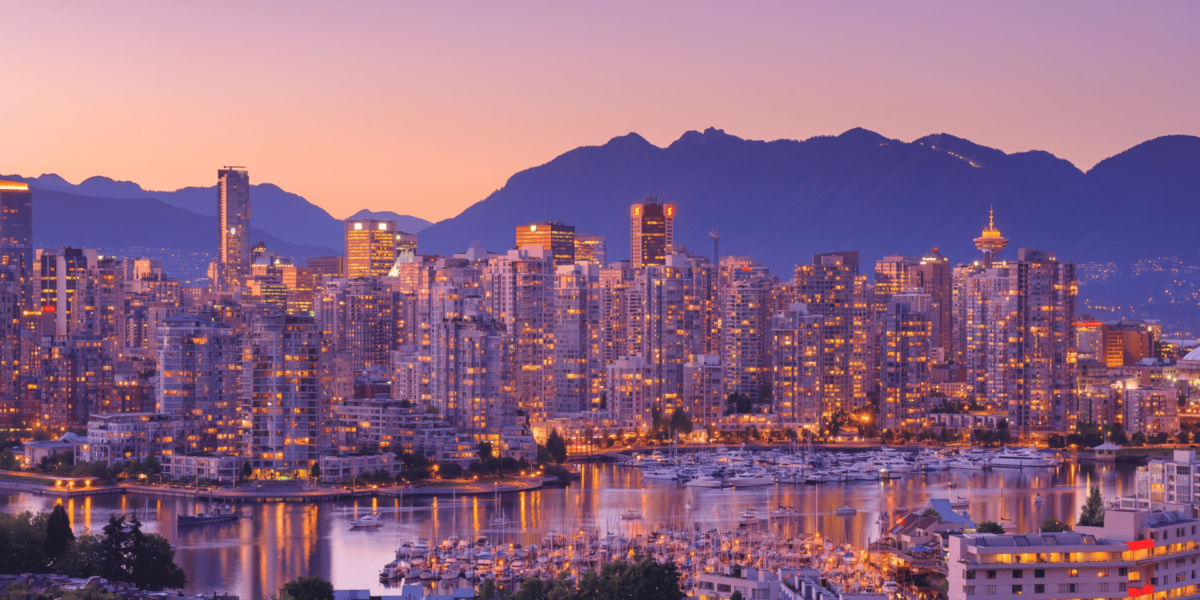
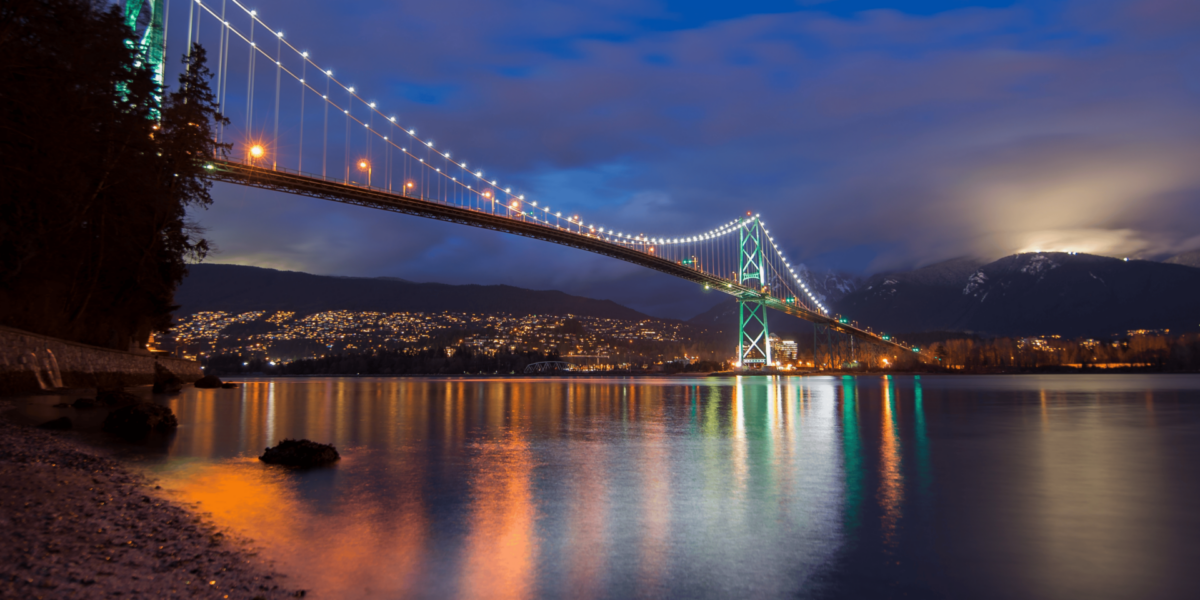
Vancouver’s harbor transforms under the cover of night. The water shifts from a busy daytime thoroughfare into a reflective surface where city lights shimmer against the backdrop of mountains. Moonlight blends with the glow of towers, bridges, and streets, turning the harbor into both mirror and stage. This nighttime transformation reveals a side of the city that feels intimate yet expansive.

How Moonlight Shapes the Harbor Experience

Moonlight alters how the harbor is perceived. Its soft silver light smooths the surface of the water, creating ripples that scatter across the inlet. These ripples stretch and break as the tide shifts, carrying fragments of light deeper into the distance. The moon’s presence ties the harbor to the sky, creating a scene where natural light and urban glow coexist.

City Glow Extends Across the Water

The glow from towers, bridges, and seawalls travels outward until it meets the harbor’s surface. Each light elongates across the ripples, shifting with the smallest movement of the tide. The city’s architecture does not end at the shoreline—it projects itself onto the water, creating patterns that extend the skyline horizontally. The harbor becomes an extension of the city’s rhythm, carrying its glow across open water.

A Realistic Scene of Moonlight Ripples in Vancouver

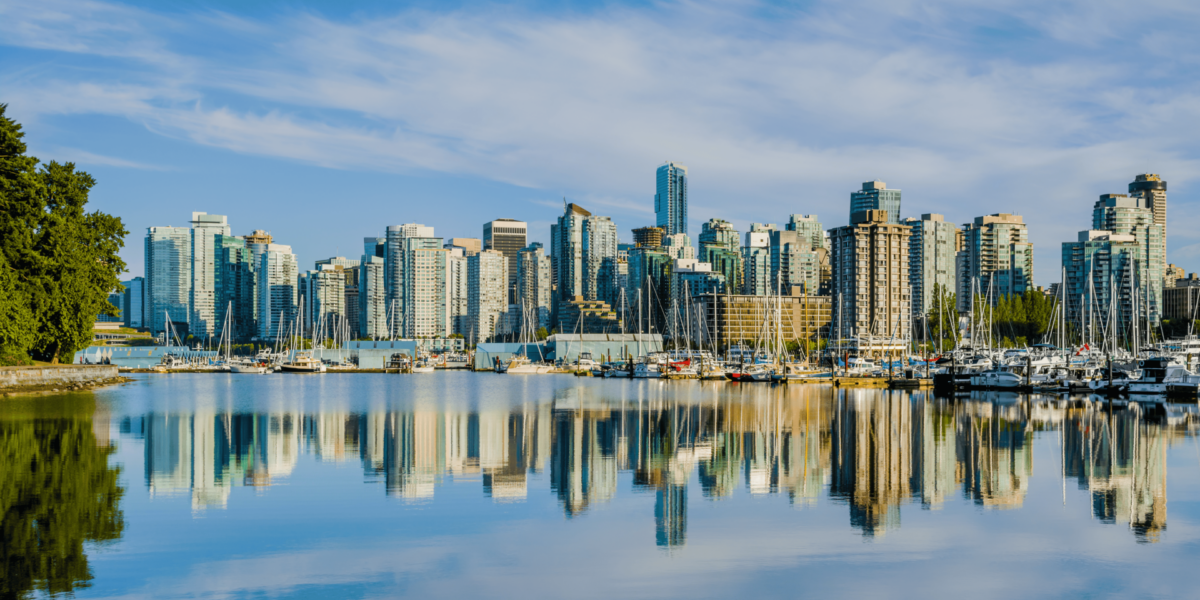
A late-night walker pauses along Coal Harbour. The water is calm but restless, reflecting lines of gold, blue, and silver cast from buildings and the rising moon. Boats anchored nearby sway gently, their reflections stretching in long ribbons across the tide. The air carries the faint sound of gulls and the distant hum of traffic, yet the harbor itself feels quiet. The moonlight drapes the scene in softness, while the city glow adds depth, merging two worlds into one experience.

Why Reflections Anchor Emotional Presence

Reflections on water create an immediate emotional response. The shifting interplay of light and movement draws the eye and quiets the mind. Standing by the harbor, the viewer feels anchored in the present, watching the city dissolve into shimmering fragments. These ripples transform architecture into atmosphere, allowing people to connect with the city in ways that feel personal and profound.

The Role of Boats in Harbor Dreams

Anchored vessels contribute to the harbor’s nighttime identity. Their silhouettes interrupt the reflections, while their lights scatter in smaller pools across the surface. The gentle motion of each boat shapes how the city is mirrored, adding texture and rhythm. Boats serve as reminders of Vancouver’s maritime character, linking modern glow to a working harbor that remains tied to the Pacific.

How Weather Shapes Moonlit Reflections

Weather alters the dialogue between moonlight and city glow. On clear nights, the harbor reflects both with sharp precision. Clouds soften the moon, muting reflections into broader strokes of light. Rain scatters the glow into fragmented shapes, while fog blurs the boundary between water and air. Each condition creates a new interpretation of the harbor’s dreamlike quality.

Moonlight and City Glow as Dual Forces

Moonlight and city glow work together yet remain distinct. The moon provides steadiness, casting its light in soft continuity. The city adds contrast, punctuating the harbor with bursts of color and movement. The combination creates a layered scene, where natural permanence meets human activity. This balance shapes the unique magic of Vancouver’s nighttime harbor.

Why the Harbor Inspires Stillness and Connection

Night at the harbor invites a deeper sense of stillness. The sound of water against pilings, the sway of boats, and the quiet repetition of ripples create a rhythm that slows perception. At the same time, the glow of the city affirms connection, reminding observers that they stand at the meeting point of nature and community. This union of stillness and energy anchors the harbor as a place of both rest and belonging.

The Lasting Power of Moonlight Ripples and City Glow

The harbor’s nighttime presence is more than a backdrop—it is a living reflection of Vancouver’s identity. Moonlight ripples carry softness across the tide, while city glow extends the skyline into water. Boats, weather, and atmosphere layer the experience, turning the harbor into a canvas of constant change. These moments, suspended between light and motion, define the dreams of a city rooted in its harbor.

Steel and Sky: Architectures of Vancouver at Twilight

Why Twilight Transforms Vancouver’s Skyline

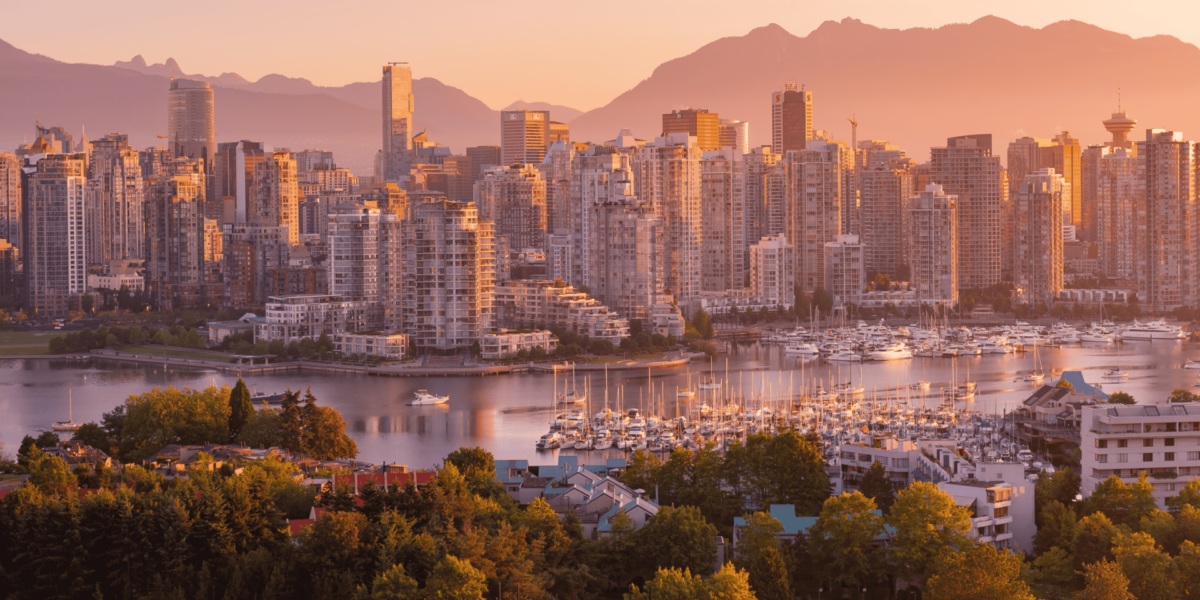
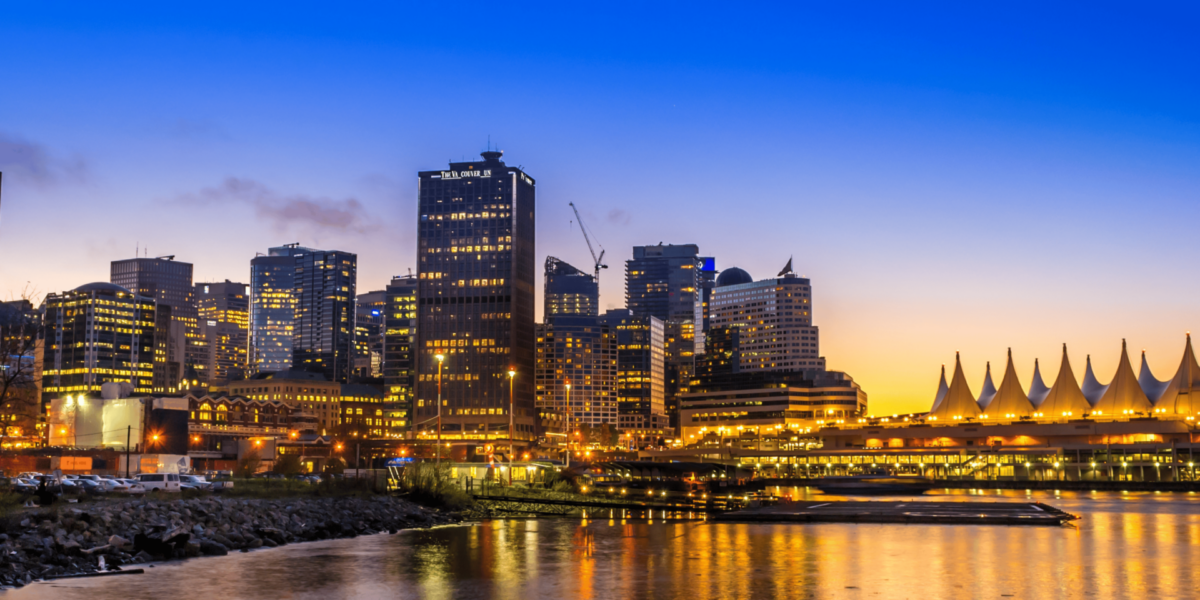
Twilight changes how Vancouver’s architecture interacts with its environment. The fading light softens sharp lines while accentuating glass, steel, and concrete against a glowing horizon. Buildings that stand tall during the day become silhouettes or radiant beacons as evening takes over. This daily transformation reveals the city’s balance between structure and atmosphere.

How Steel Structures Reflect the Evening Light

Steel towers dominate much of Vancouver’s skyline, and at twilight, they shift character. The metal frames catch the last rays of the sun, reflecting streaks of orange and pink across their surfaces. As the sky darkens, artificial lights within the towers glow through glass façades, creating layers of reflection that merge building with atmosphere. This interplay of steel and light makes twilight a defining moment for the city’s visual identity.

Glass and Sky Create a Dynamic Canvas

Glass buildings magnify the effect of twilight by mirroring the sky. Their surfaces reflect shifting colors, from deep blue at dusk to golden tones as the sun sets. This creates the illusion that the buildings are part of the sky itself. The constant change in color and tone turns architecture into a canvas, evolving moment by moment as twilight progresses.

A Realistic Scene of Architecture at Twilight

A pedestrian pauses on a downtown street as twilight settles. The glass towers around them catch the last hues of the setting sun, their steel frames glowing faintly in the fading light. Streetlamps flicker on, and office windows begin to sparkle against the deepening sky. The city feels suspended between day and night, with steel and sky weaving together into a single composition.

Why Twilight Bridges Nature and Structure

Vancouver’s twilight bridges the natural world with its urban form. The mountains and ocean frame the skyline, while buildings reflect the changing colors above. This blending of natural light and human-made structure highlights Vancouver’s identity as a city built within a dramatic landscape. Twilight emphasizes that the skyline is not separate from its setting but shaped by it.

The Role of Contrast in Twilight Architecture

Contrast defines twilight architecture. As light fades, the dark outlines of towers stand out sharply against the sky. Illuminated windows punctuate the darkness, while reflections on glass soften rigid edges. This balance of shadow and light creates depth, giving the skyline a layered complexity that daytime cannot reveal.

How Movement Brings the Twilight Skyline to Life

The architecture of twilight is never static. Cars stream along bridges, their headlights tracing paths across steel frameworks. Reflections ripple on water as boats move through the harbor. Street-level activity adds rhythm to the scene, reminding viewers that the skyline is not only structure but also movement. Twilight captures this duality by blending the permanence of architecture with the energy of the city.

Twilight as a Marker of Urban Identity

Twilight becomes a daily marker of Vancouver’s identity. Each evening, the city shifts into a new form—buildings glowing against the sky, streets illuminated with movement, and steel structures defined by light and shadow. This recurring transformation shapes how residents and visitors remember Vancouver, reinforcing the skyline as both symbol and experience.

How Weather Influences the Twilight Skyline

Weather changes how twilight appears over Vancouver’s architecture. Clear evenings sharpen outlines, while clouds scatter light into dramatic layers. Rain amplifies reflections on streets and glass façades, turning the skyline into a living mirror. Mist softens edges, blending towers into the horizon. Each variation creates a distinct atmosphere, proving that twilight never repeats itself exactly.

The Lasting Power of Steel and Sky in Vancouver

Steel and sky define the architectural experience of Vancouver at twilight. Buildings reflect both natural light and human energy, creating a dialogue between permanence and change. This moment each day captures the city’s essence: a place where design meets environment, and where twilight turns architecture into an evolving canvas of identity and presence.

Harbor to Horizon: Boats, Sky, and the Pacific Canvas

Why Vancouver’s Harbor Defines Its Pacific Identity

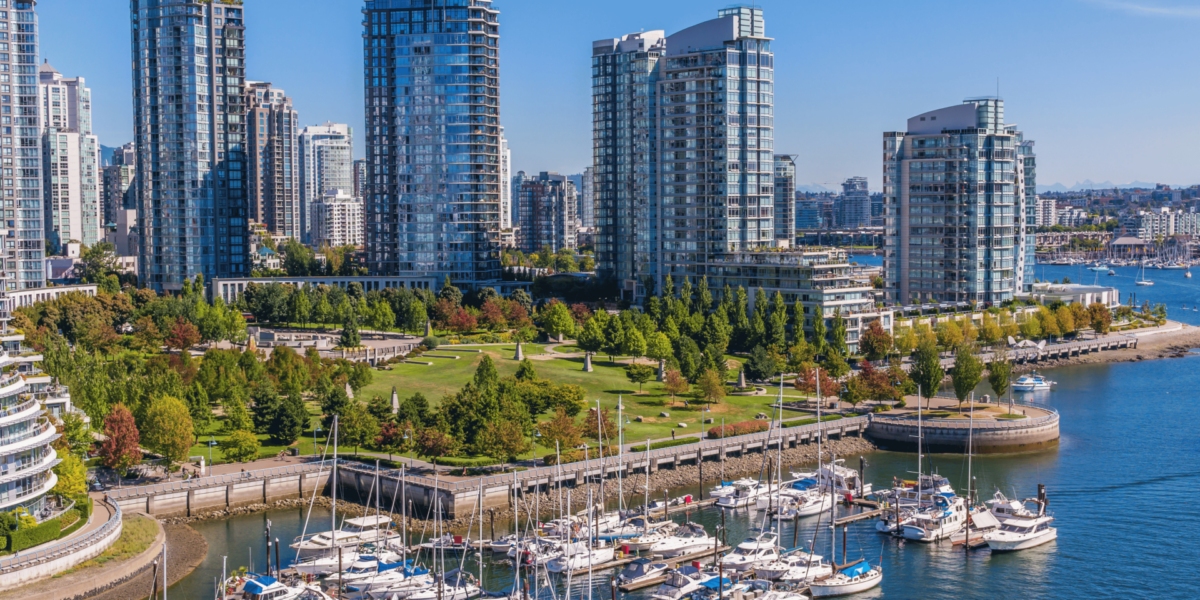
The harbor sits at the heart of Vancouver’s connection to the Pacific. It is both a working port and a scenic landmark, shaping how the city is seen from land and sea. Ships, ferries, and small boats move constantly across its waters, linking the city to global trade while offering residents a daily reminder of their coastal setting. The harbor reflects Vancouver’s role as a Pacific city, where industry and beauty share the same stage.

How Boats Create Rhythm Across the Harbor

The movement of boats adds rhythm to Vancouver’s waterfront. Fishing vessels, cargo ships, and recreational craft cut paths across the inlet, leaving trails that fade into the shifting tide. Each vessel contributes to the larger flow of the harbor, giving the city a pulse that mirrors both human activity and natural cycles. This steady rhythm reminds onlookers that the harbor is always alive.

The Sky Expands the Pacific Canvas

The wide sky above the harbor transforms the waterfront into a layered canvas. Clouds drift across mountain peaks, sunlight reflects off the water, and evening colors stretch far beyond the horizon. These shifts in light and weather constantly change how the harbor is experienced. The sky frames the Pacific, reminding observers that the city is part of a much larger seascape.

A Realistic Scene of Harbor and Horizon

A resident stands at the edge of Coal Harbour just after sunrise. The water is calm, reflecting both the soft blue sky and the outlines of distant vessels. Small boats move slowly across the inlet, their wakes spreading into delicate patterns. Above them, gulls circle against the backdrop of mountains fading into mist. In this moment, the horizon feels endless, and the harbor becomes both stage and gateway to the Pacific beyond.

Why Reflections on Water Add Depth

The surface of the harbor acts as a mirror, doubling the presence of boats, buildings, and sky. Reflections shimmer with movement, broken only by tides or passing wakes. This interaction creates a layered sense of depth, where the line between sea and sky seems to blur. The harbor becomes more than a body of water—it becomes an extension of the horizon itself.

The Pacific Horizon as a Constant Reminder of Scale

Looking out across the Pacific horizon anchors the viewer in scale. The vastness of open water stretches perception outward, dwarfing the city’s structures in comparison. This horizon conveys both openness and possibility, reminding residents that Vancouver’s identity is tied not only to its harbor but also to the immense ocean that extends beyond it.

How Weather Shapes the Harbor Experience

Weather defines how the harbor feels at any given moment. Clear skies highlight crisp reflections of boats and towers, while fog rolls across the inlet, muting outlines into a painterly scene. Rain scatters ripples across the water, blurring reflections into shifting patterns. These atmospheric changes create a sense of renewal, ensuring that the harbor never looks the same twice.

Boats as Symbols of Connection and Movement

Boats in the harbor symbolize connection between people, places, and industries. Fishing vessels represent heritage, cargo ships signal trade, and sailboats embody recreation. Each type of vessel contributes to the larger story of Vancouver’s Pacific presence. Together, they create a portrait of movement, linking harbor to horizon and city to sea.

Why the Harbor Inspires Emotional Presence

Standing by the harbor engages more than vision—it creates emotional presence. The movement of boats, the shifting sky, and the endless horizon combine into a sensory experience that grounds observers. The sound of waves against pilings, the scent of salt air, and the sight of vessels in motion all reinforce a feeling of belonging within a coastal landscape.

The Lasting Power of Vancouver’s Pacific Canvas

The harbor and horizon define how Vancouver experiences its place on the Pacific. Boats animate the water, reflections deepen perspective, and the sky transforms each moment into a unique canvas. This interplay of land, sea, and sky anchors the city’s identity as a coastal hub. From harbor to horizon, Vancouver reveals itself as part of a living Pacific landscape where daily life and natural wonder converge.

Urban Reflections: City Lights Dancing on the Waterfront

Why City Lights Transform Waterfront Landscapes

City lights alter the perception of a waterfront by turning the natural surface of the water into a dynamic mirror. The reflections stretch, ripple, and shift with every movement of the current. This interaction between artificial light and natural surface creates a unique atmosphere that belongs only to cities built beside water.

How Reflections Create a Sense of Motion

Waterfront reflections never stay still. Each light bends and elongates with the rhythm of the tide or the sway of passing boats. This constant movement gives the impression that the city itself is alive. The brain interprets this fluid motion as both dynamic and calming, reinforcing the idea of a city that changes moment by moment.

The Role of Contrast in Nighttime Scenes

The brilliance of city lights stands out more sharply against the darkness of night. Skyscraper outlines, bridges, and streetlamps shine brighter when mirrored in the water below. This contrast heightens visual depth, turning the waterfront into a layered composition of light and shadow. It is this balance that gives waterfront skylines their lasting visual impact.

A Realistic Scene of City Lights on the Waterfront

A resident walks along the seawall after dusk. Across the inlet, the skyline glows with towers outlined in light. Each beam extends across the water, rippling as waves disturb the surface. The reflections shimmer like threads of gold and silver woven into the tide. The experience feels immediate and grounding, reminding the observer of the city’s pulse carried through its lights.

Why Waterfront Reflections Anchor Emotional Presence

Waterfront reflections affect more than vision; they shape mood and memory. The shimmer of light across water carries associations of movement, energy, and calm. Standing near the waterfront, the observer feels immersed in an environment where the city’s character reveals itself through light. This sense of presence strengthens emotional ties to the landscape.

Architecture and Light Define the Skyline’s Character

The shapes of towers and bridges contribute directly to how reflections appear. Tall buildings create vertical ribbons of color, while lower structures scatter smaller fragments of light. Bridges stretch their patterns horizontally across the water. Together, these architectural elements define how the city is reflected, giving each waterfront its distinct identity.

How Weather Shapes Waterfront Reflections

Weather alters how city lights appear on the water. Calm nights create clean, sharp lines of light, while wind distorts them into shifting patterns. Rain adds another dimension, with drops scattering reflections across the surface. Each condition changes the experience of the waterfront, reminding the observer that light, water, and weather are inseparable.

The Role of Color in Urban Reflections

Color intensifies the impact of waterfront reflections. Warm tones from streetlights add richness, while cooler hues from glass towers and LED signs introduce contrast. The mix of colors builds complexity, creating scenes that feel layered and dynamic. This variety allows each viewing to feel fresh, even when standing in the same place night after night.

Movement on the Water Enhances Reflection Dynamics

Boats, ferries, and passing ships interrupt and reshape reflections constantly. Their wakes carve through the light, scattering colors across the surface. This activity adds rhythm to the scene, reminding observers that a waterfront is not just a backdrop but a living part of the city’s identity.

The Lasting Impact of City Lights on the Waterfront

Waterfront reflections embody the character of a city at night. They blend architecture, weather, and natural elements into a moving portrait. The lights dancing on the water remind residents and visitors alike that the city is more than buildings and roads—it is a living presence reflected back through its waterfront.

Where the Mountains Meet the Glass: Exploring Vancouver’s Reflective Skylines

Vancouver’s skyline stands out because of how it blends natural landscapes with modern design. The city’s glass buildings don’t block the view—they reflect it. The mountains, ocean, and sky all become part of the architecture.

Imagine walking through downtown just after sunrise. As light hits the high-rises, each panel of glass reflects the North Shore Mountains. These reflections shift throughout the day, turning buildings into moving mirrors of the natural world around them. This visual connection makes Vancouver’s skyline unique among major cities.

Glass Architecture Creates Dynamic City Views

Glass-covered buildings shape how people see the city. They capture the sky during the day, reflect city lights at night, and shift color with the weather. This creates a skyline that never looks the same twice.

In a realistic scenario, someone looks out from a downtown rooftop on a clear day. The city’s towers reflect deep blue skies and green forested ridges in every direction. The glass adds motion to the still structures, giving the skyline a sense of life that changes with every passing hour.

Natural Landmarks Enhance Urban Design

Vancouver’s location between mountains and water influences how the city is built. Architects and planners design with these views in mind. Tall buildings use glass not just for style, but to reflect the natural environment and reduce visual weight.

A person walking along False Creek sees towers rising behind the water. Each one seems lighter, almost blending into the background. This effect softens the city’s appearance and connects it more deeply to its natural surroundings. The skyline feels open, not overpowering, because the mountains remain visible between the structures.

Reflective Design Supports Environmental Awareness

Glass buildings in Vancouver do more than reflect beauty—they remind people of the environment’s presence. By mirroring the sky and terrain, the city’s skyline keeps nature in sight, even in the middle of dense development.

Picture someone commuting through downtown. With every glance at a building’s surface, they see clouds moving or trees swaying. These visual cues reinforce the city’s connection to the landscape and encourage a mindset that values preservation and balance.

Weather Adds Personality to the Skyline

Vancouver’s reflective skyline changes with the weather. When skies are clear, glass buildings echo the colors of the ocean and the mountain peaks. On cloudy days, reflections soften, making the skyline feel calm and quiet. Rain adds motion, creating patterns across the glass surfaces.

In daily life, a person sitting in a café might notice raindrops streaking down a tall building’s windows. These streaks, combined with the city’s gray tones, create a moody scene. That mood becomes part of the city’s personality—shaped not just by design, but by weather and atmosphere.

Reflections Shift with Time and Light

Light plays a major role in how Vancouver’s skyline appears. Morning reflections differ from evening ones. Sunlight changes angles, intensity, and color throughout the day, and the skyline transforms in response.

A resident looking out at dusk sees golden light hitting the west-facing towers. Reflections of the mountains soften into silhouette. As night falls, windows shift from reflecting nature to glowing with city life. This constant change makes the skyline feel more like a living system than a static image.

Photography Captures Vancouver’s Reflective Layers

Photographers are drawn to Vancouver’s reflective skyline because of how it holds and transforms light. Every shot becomes a record of both the city and its surroundings. The reflections tell a story not just about buildings, but about time, mood, and motion.

A photo taken during sunset from a high-rise balcony may capture clouds stretching across glass towers. Those same clouds, mirrored in the buildings, pull the viewer’s eye through the image. The result is a layered view that combines built form with nature’s design.

Urban Growth Respects Scenic Lines

Even with rapid development, Vancouver remains conscious of its sightlines. Regulations and design plans often aim to preserve views of the mountains and waterfront. Glass buildings help maintain these views by visually fading into the background during certain lighting conditions.

Someone working in an upper-floor office might have an unobstructed view of the mountains, even with nearby towers in place. Because of how glass interacts with light, the buildings don’t dominate the view. Instead, they reflect and support it. This approach allows growth without blocking the natural features that define the city.

Vancouver’s Skyline Reflects Its Identity

The reflective skyline is more than just an aesthetic choice—it reflects Vancouver’s identity. The city values clean design, environmental harmony, and visual openness. The use of glass and the emphasis on natural reflection align with these values.

As someone walks through downtown, they see more than buildings. They see the city’s relationship with land, light, and space. The skyline isn’t just what rises above—it’s how those structures echo the place they rise from.

A City Shaped by Reflection

Vancouver’s skyline does more than mark its place on a map. It mirrors the world around it. From mountains and ocean to shifting light and changing skies, the city’s reflective buildings invite people to look both outward and inward.

In this layered urban space, where glass meets granite and steel mirrors sky, design becomes dialogue. Vancouver’s skyline reminds us that cities can grow without losing their view—and that even modern structures can reflect something timeless.